Tokyo is the best starting point for many first-time Japan trips because it combines major attractions, shopping, food, neighborhoods and excellent rail connections. The key to enjoying Tokyo is not trying to cover the entire city in one day. Group sightseeing by area and leave room for meals, shopping and spontaneous discoveries.
Where to go
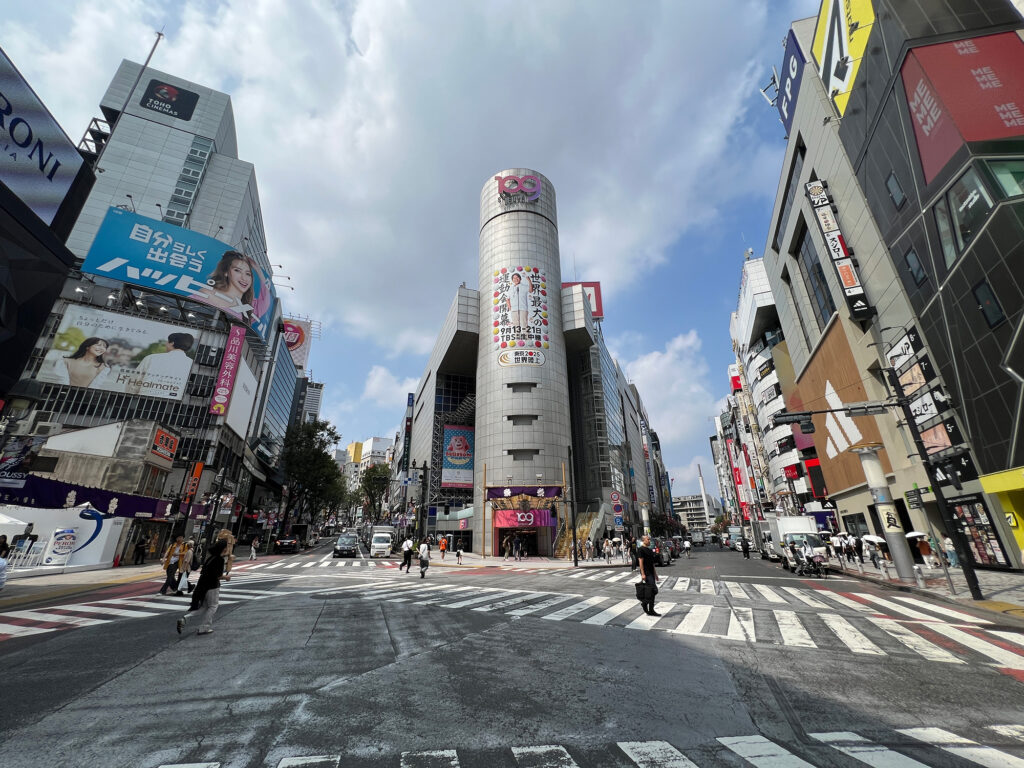
Asakusa is ideal for traditional Tokyo, with Sensoji and the Kaminarimon area. Shibuya is the place for the famous crossing, shopping and modern city energy. Shinjuku offers department stores, restaurants, nightlife and skyline views. Ginza is a good choice for upscale shopping and dining, while Harajuku and Omotesando combine youth culture, fashion and design.
How many days do you need?
For a first trip, plan around 3 to 4 full days in Tokyo. With only five days in Japan, three days in Tokyo can work well before moving to Kyoto. With 7 to 10 days, consider four days or add a Tokyo day trip such as Kamakura, Yokohama or Nikko.
Where to stay
Choose accommodation near a major train or subway station. Shinjuku is convenient for transport and nightlife; Asakusa suits travelers who prefer a traditional atmosphere; Tokyo Station and Ginza are excellent for central access; Shibuya works well for visitors who want shopping and nightlife close by.
Before choosing your base, compare general Japan accommodation options for your Tokyo dates, then verify the neighborhood and station access before booking.
How to plan your days
Instead of crossing the city repeatedly, create neighborhood-based days. A practical structure is Asakusa and Ueno; Shibuya, Harajuku and Omotesando; Shinjuku and nearby viewpoints; then Ginza, Tokyo Station and the Imperial Palace area.
A simple 3-day Tokyo structure
Day 1: Asakusa plus Ueno or another traditional Tokyo area.
Day 2: Meiji Jingu, Harajuku, Shibuya and Shinjuku.
Day 3: Choose a theme such as shopping, food, anime, modern architecture or a nearby day trip.
Popular ticketed attractions
Tokyo also has major attractions that are easier to plan once your neighborhood days are fixed. Current popular options include SHIBUYA SKY, teamLab Planets, teamLab Borderless, Tokyo Skytree, Tokyo Disney Resort and the Warner Bros. Studio Tour Tokyo. Treat these as optional anchors rather than trying to fit several timed attractions into one day, and check current availability before building the rest of your schedule around them.
Getting around Tokyo
Use rail and subway lines as the backbone of the trip, but remember that major stations can have many exits and connected lines. Save your hotel location and the correct station exit before heading out. An IC card is useful for everyday city travel.
Mobile data makes maps, train apps and reservations much easier from arrival. Check Japan eSIM options with Saily before your trip.
Tokyo in a Japan itinerary
Tokyo pairs naturally with Kyoto and Osaka. For longer trips, Hakone can be added between Tokyo and Kyoto. Use one of these route guides as the trip framework:
Common planning mistake
Do not schedule Asakusa in the morning, Shibuya at noon, Odaiba in the afternoon and Shinjuku at night simply because they look close on a map. Tokyo’s scale makes unnecessary cross-city movement one of the easiest ways to lose sightseeing time.
Useful booking tools
For intercity transport planning, compare routes with Bookaway when it suits your itinerary. Most central Tokyo sightseeing does not require a rental car, but if your route extends into rural areas, you can compare rental-car options before deciding whether driving is worthwhile.
Affiliate disclosure: Japan Travel may earn a commission if you book through selected links, at no extra cost to you. Links are placed where they are relevant to planning the trip.