Sushi, ramen and tempura deserve their popularity, but they represent only a small part of what you can eat in Japan. Regional cooking changes noticeably as you move around the country, and some of the most memorable dishes are foods first-time visitors may never have heard of before arriving.
This guide is designed as a discovery list rather than a ranking. Use it to identify dishes that match your tastes, then look for specialists or regional restaurants along your existing route.
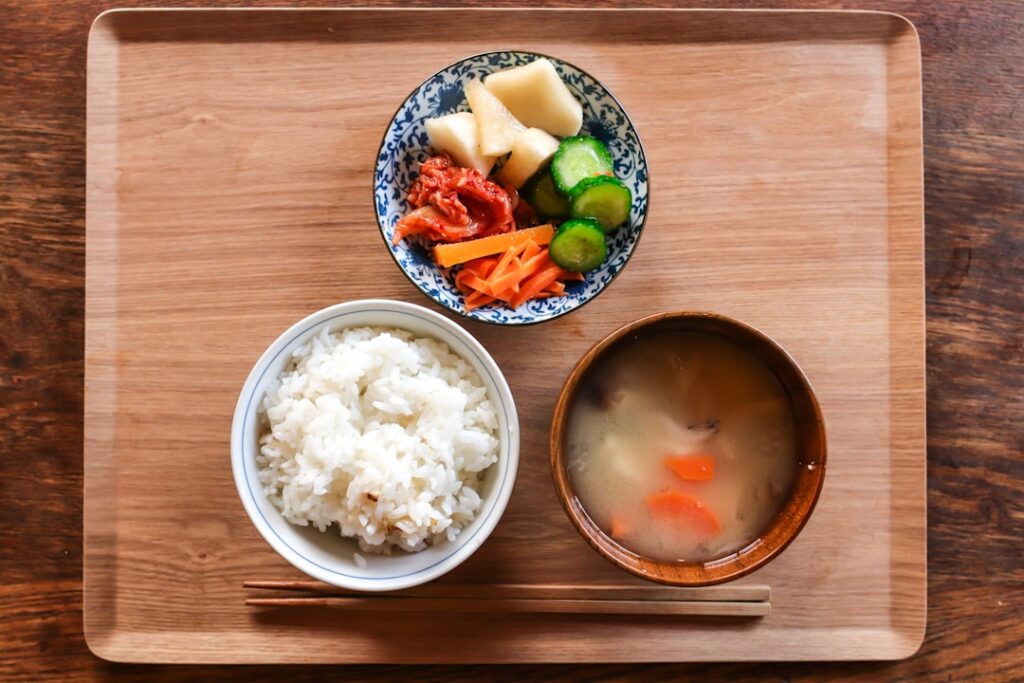
1. Obanzai — Kyoto home-style cooking
What it is: Kyoto-style everyday cooking built around seasonal vegetables, tofu and other local ingredients, often served as several small dishes.
What to expect: generally subtle, comforting flavors rather than a heavy or intensely seasoned meal. It is a useful choice when you want to understand Kyoto food beyond sweets and kaiseki.
Where it fits: Kyoto, especially as a relaxed lunch or dinner.
2. Yudofu — hot tofu with Kyoto roots
What it is: tofu gently warmed in hot water and typically eaten with simple condiments or dipping sauce.
What to expect: delicate flavor and texture. Travelers expecting a bold main dish may find it very mild; people who enjoy tofu and traditional temple-area dining may appreciate it much more.
Where it fits: Kyoto, particularly around temple districts.
3. Hitsumabushi — Nagoya-style grilled eel
What it is: grilled eel over rice, traditionally eaten in stages: first as served, then with condiments, and finally with broth or tea poured over the rice.
What to expect: savory-sweet glazed eel with contrasting textures and several ways to eat the same bowl.
Where it fits: Nagoya and Aichi.
4. Gyutan — Sendai beef tongue
What it is: sliced beef tongue, commonly grilled and served as a set meal.
What to expect: a firmer, springier texture than an ordinary beef steak.
Where it fits: Sendai is the classic destination.
5. Motsunabe — Fukuoka offal hot pot
What it is: a communal hot pot usually made with beef or pork offal, cabbage, chives and a strongly flavored broth.
What to expect: rich broth and a distinctive soft-chewy offal texture. It suits adventurous eaters better than travelers uncomfortable with organ meat.
Where it fits: Fukuoka.
6. Monjayaki — Tokyo’s softer griddle specialty
What it is: a savory batter dish cooked on a tabletop griddle. It is related to okonomiyaki but much looser and softer.
What to expect: crisp bits forming against the hot plate with a soft, almost molten center.
Where it fits: Tokyo, especially Tsukishima.
7. Hoto — Yamanashi noodle hot pot
What it is: thick, flat wheat noodles simmered with vegetables in a miso-based broth.
What to expect: filling, rustic comfort food that works particularly well in cooler weather.
Where it fits: Yamanashi and the Mount Fuji/Fuji Five Lakes region.
8. Jingisukan — Hokkaido grilled lamb
What it is: lamb or mutton grilled with vegetables, usually on a distinctive domed grill.
What to expect: a social, hands-on meal with a stronger meat flavor than beef or pork.
Where it fits: Hokkaido, especially Sapporo.
9. Kushikatsu — Osaka’s fried skewers
What it is: meat, seafood, vegetables and other ingredients skewered, breaded and deep-fried.
What to expect: crisp, casual and easy to sample one skewer at a time.
Where it fits: Osaka, with Shinsekai strongly associated with the style.
10. Oyakodon — chicken-and-egg rice bowl
What it is: chicken and softly cooked egg simmered with a savory-sweet seasoning and served over rice.
What to expect: mild, comforting and approachable.
Where it fits: widely available across Japan.
11. Kaisendon — seafood over rice
What it is: a bowl of rice topped with assorted raw seafood, with combinations changing by region, season and restaurant.
What to expect: a more casual way to enjoy raw seafood than a formal sushi meal.
Where it fits: seafood destinations and markets across Japan, especially coastal regions and Hokkaido.
12. Warabi mochi — soft traditional sweet
What it is: a soft, jelly-like confection commonly coated in kinako roasted soybean flour and sometimes served with dark syrup.
What to expect: gentle sweetness and a distinctive soft texture rather than the chewiness of ordinary mochi.
Where it fits: widely found, with especially strong associations with traditional sweets culture in Kyoto and Kansai.
Which should you try first?
- Easy starting points: oyakodon, kushikatsu and hoto.
- For seafood lovers: kaisendon and hitsumabushi.
- For a Kyoto-focused trip: obanzai and yudofu.
- For adventurous eaters: motsunabe and gyutan.
- For a social meal: Jingisukan, monjayaki or motsunabe.
How Japan Travel will recommend places to try them
We do not label a restaurant the “best” simply because it is famous or highly ranked. When a future food guide recommends a specific place, the recommendation should be based on recent information from the restaurant itself, local tourism sources, specialist reputation and patterns across recent diner feedback. Where a whole neighborhood is a better recommendation than one restaurant, we will say so.
For more ideas, see Food & Culture and Unique Japanese Food Experiences You Shouldn’t Miss.