Japan can fit very different budgets. Your daily cost changes mainly with hotel style, city, dining choices, long-distance rail and how many paid attractions you add. The most useful approach is to set a realistic on-the-ground daily range, then price your flights and major intercity journeys separately.
Quick Japan daily budget ranges
For one adult traveler, excluding international flights and major intercity rail, use these as practical planning ranges rather than guarantees:
- Budget: about ¥8,000–¥15,000 per day. Hostel/guesthouse or very simple accommodation, casual meals, local transport and mostly free or inexpensive sights.
- Mid-range: about ¥15,000–¥30,000 per day. A simple business/mid-range hotel, a mix of casual and restaurant meals, local transport and selected paid attractions.
- Comfort: about ¥30,000–¥60,000+ per day. Better hotels, more restaurant dining, taxis when useful, paid experiences and more room for convenience.
These ranges are deliberately broad. Tokyo and Kyoto during high-demand dates can push accommodation well above them, while shared rooms, shoulder-season dates and regional cities can reduce costs.
Accommodation: usually the biggest variable
JNTO’s current budget guidance gives useful reference points: youth hostels around ¥3,000 per night, budget hotels from roughly ¥6,000 for a single room, mid-range double rooms from around ¥10,000, and four-star hotels from around ¥30,000. Actual 2026 booking prices can be much higher on weekends, holidays, cherry-blossom periods and other peak dates, so use these only as baselines.
Compare general Japan accommodation options for your actual dates, then verify the destination, neighborhood and station access before booking.
Food: Japan can be surprisingly manageable
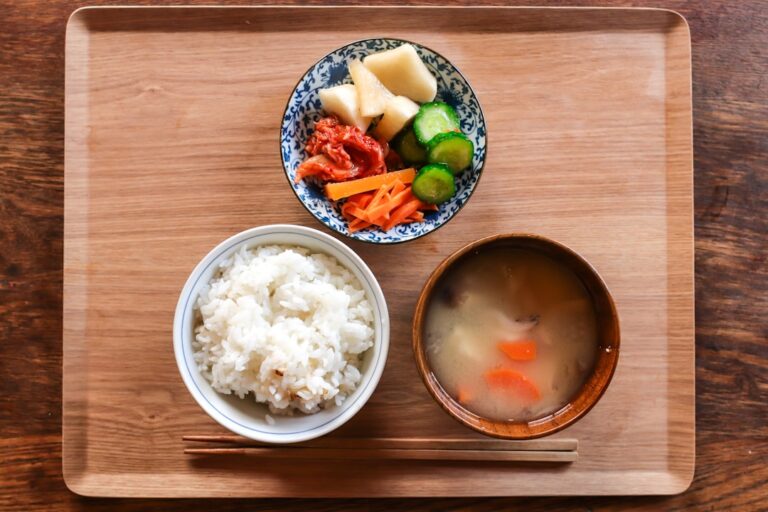
JNTO notes that casual meals can often be found around ¥500–¥1,000, while its budget guide lists ramen from roughly ¥650. A traveler mixing convenience-store breakfasts, noodle shops, set lunches and casual restaurants can control food spending without eating poorly.
A practical daily food allowance might be ¥2,500–¥4,000 on a tight budget, ¥4,000–¥7,000 for more variety, and considerably more when adding sushi counters, premium wagyu, kaiseki or frequent drinks.
Local transport vs long-distance transport
Local city transport is normally a relatively predictable daily expense. Long-distance Shinkansen journeys can change the entire trip budget, so calculate them separately rather than hiding them inside a daily average.
The nationwide adult Ordinary Japan Rail Pass currently provides a useful benchmark of ¥50,000 for 7 days, ¥80,000 for 14 days and ¥100,000 for 21 days. That does not mean you should buy one automatically—compare the fares in your actual route first.
Read the Japan Transportation Guide and Japan Rail Pass vs IC Cards before committing to a transport pass.
For comparison tools, check Japan transport options with Bookaway where relevant.
Attractions and experiences
Neighborhood walks, parks, markets and many shrine grounds are free. Paid temples, museums and observation decks can still be modest individually, but a week packed with theme parks, guided tours and premium experiences can add tens of thousands of yen.
Instead of setting one attraction budget for everyone, list the expensive experiences you genuinely care about first, then add a smaller daily allowance for spontaneous admissions.
Example 7-day on-the-ground budgets
Budget traveler: roughly ¥56,000–¥105,000 for seven days before international flights and major intercity tickets.
Mid-range traveler: roughly ¥105,000–¥210,000 before flights and major intercity tickets.
Comfort-focused traveler: roughly ¥210,000–¥420,000+ before flights and major intercity tickets.
For two people sharing a hotel room, do not simply double every number: accommodation can be shared, while food, local transport and attraction costs largely remain per person.
Cash, cards and IC cards
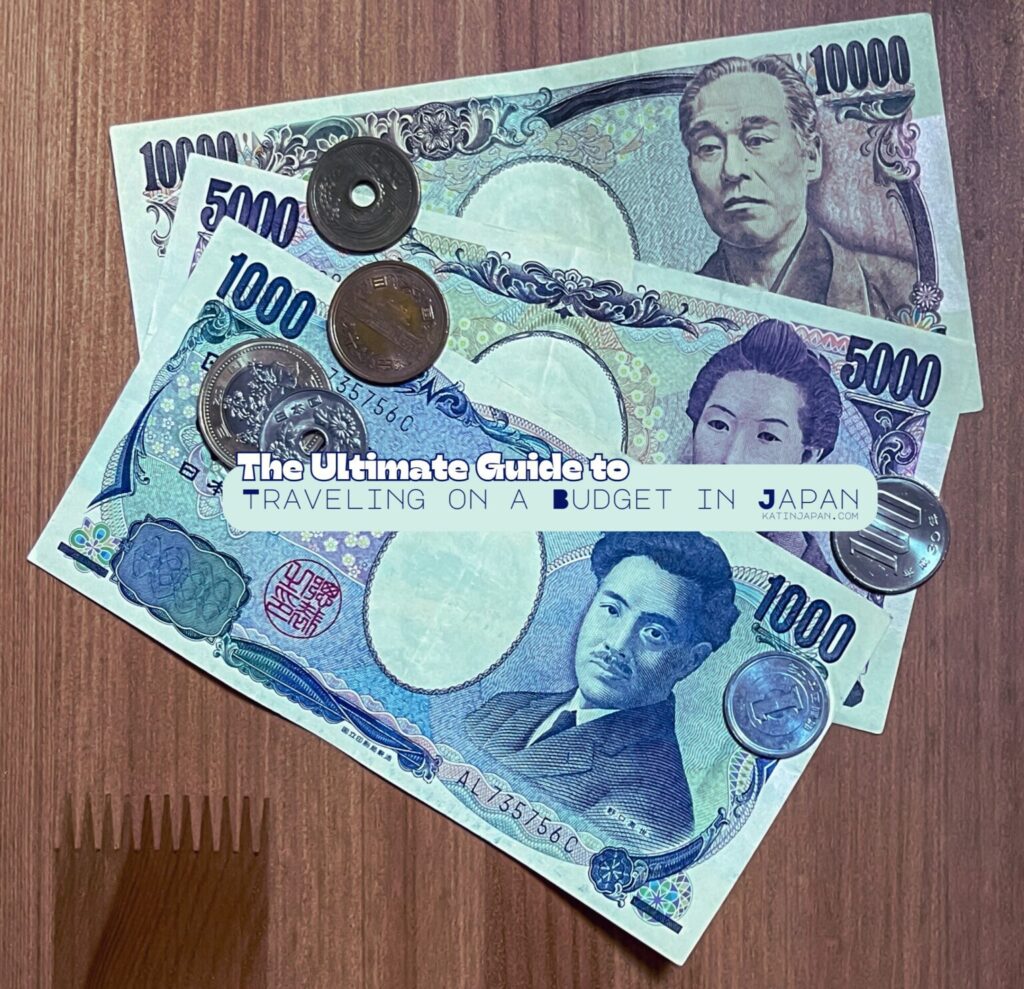
International cards are widely accepted in major hotels, department stores, shopping centers and many restaurants, but JNTO still recommends carrying cash as a backup. IC cards such as Suica, PASMO and ICOCA are useful for transport and many small purchases.
A practical setup is one primary card, a backup card stored separately, an IC card for everyday travel, and a working amount of yen for smaller businesses or places where cards are inconvenient.
How to save without making the trip worse
- Choose a hotel near a useful station rather than paying for the most famous neighborhood.
- Reduce unnecessary hotel changes.
- Compare rail-pass math before buying any nationwide pass.
- Use lunch specials and casual Japanese chains for some meals.
- Mix free neighborhoods, parks and shrines with selected paid attractions.
- Use day trips selectively instead of adding a new long-distance destination every day.
- Avoid Japan’s busiest domestic travel periods when your dates are flexible.
Budget by trip length
A 7-day and a 14-day trip should not use exactly the same assumptions. Longer trips add hotel and food nights, but they can also reduce the pressure to pay for fast transport and expensive activities every day. Build a realistic route first, then calculate the budget.
Use the Japan Travel budget calculator for a quick planning estimate, then replace the estimate with actual hotel, transport and attraction prices as your itinerary becomes firm.
Mobile data is a small line item that can save time throughout the trip. Check Japan eSIM options with Saily before departure.
Price references checked September 2026. Accommodation and attraction prices vary substantially by date and location.
Affiliate disclosure: Japan Travel may earn a commission if you book through selected links, at no extra cost to you.