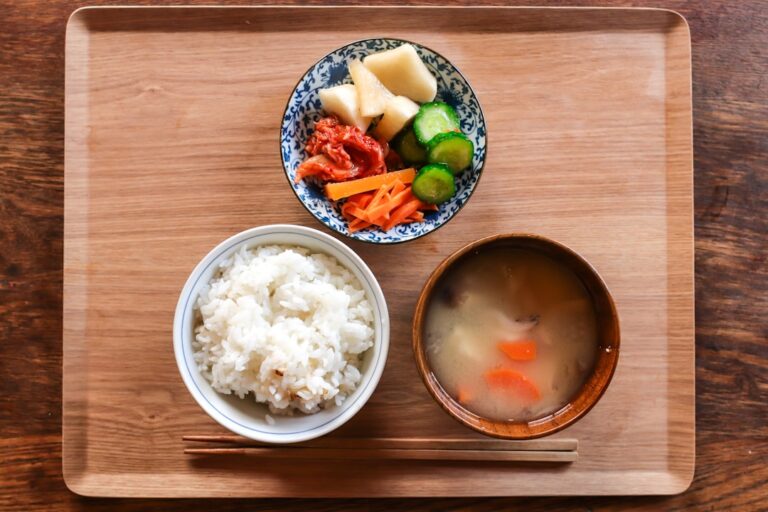
Japan’s food culture is much broader than a checklist of sushi and ramen. Some of the most memorable meals come from markets, small neighborhood restaurants, izakaya, department-store food halls and regional specialties that make more sense when you eat them where they are part of local life.
Markets: variety in one stop
Markets work well when you want to sample several foods without committing to a long restaurant meal. Go earlier in the day for a wider selection and avoid blocking busy walkways while eating or deciding what to order.
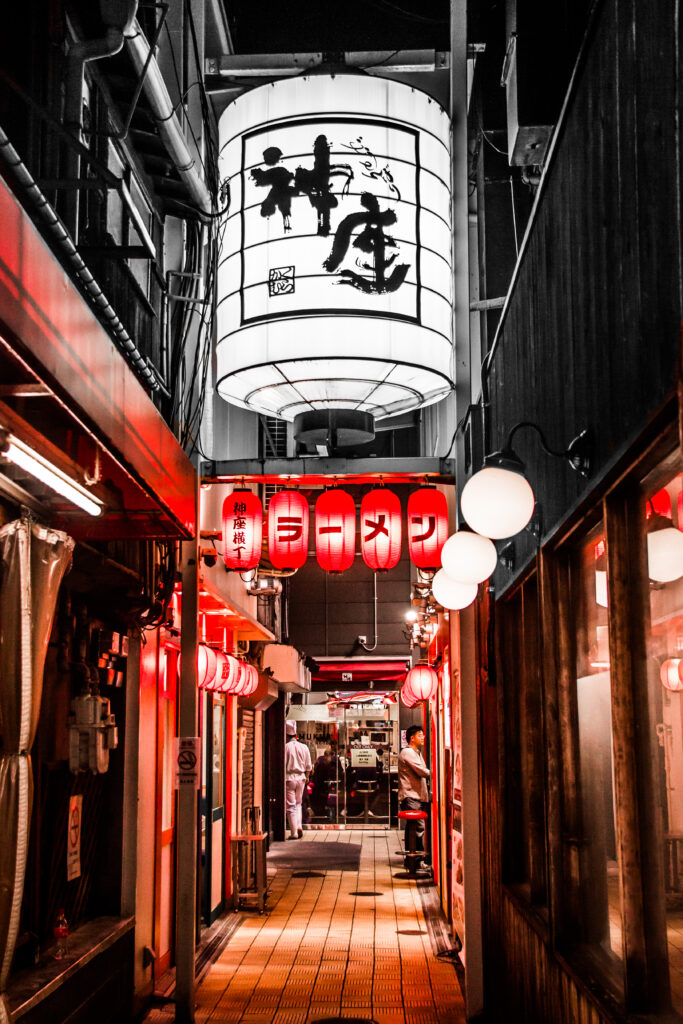
Izakaya: an evening experience
An izakaya is useful when you want a relaxed meal with several small dishes. They range from casual chains to tiny neighborhood places, so choose one that fits your comfort level rather than assuming the most famous district is automatically best.
Regional specialties
Food becomes more meaningful when it connects to the destination. Osaka is known for dishes such as takoyaki and okonomiyaki, Hiroshima has its own okonomiyaki style, and different regions have distinct noodles, seafood, sweets and local ingredients.
Depachika food halls
Department-store basement food halls are excellent for travelers who want quality food with minimal planning. They are particularly useful for bento, sweets, seasonal products and edible gifts.
Street food and casual snacks
Street-style food can be fun, but follow the local setting. In many places it is better to eat near the stall rather than walking through crowded streets with food in hand.
How to plan food into your itinerary
Choose one or two food priorities in each destination rather than trying to reserve every meal. Leave room for spontaneous neighborhood restaurants and simple meals, especially on days with heavy sightseeing.
Practical tips
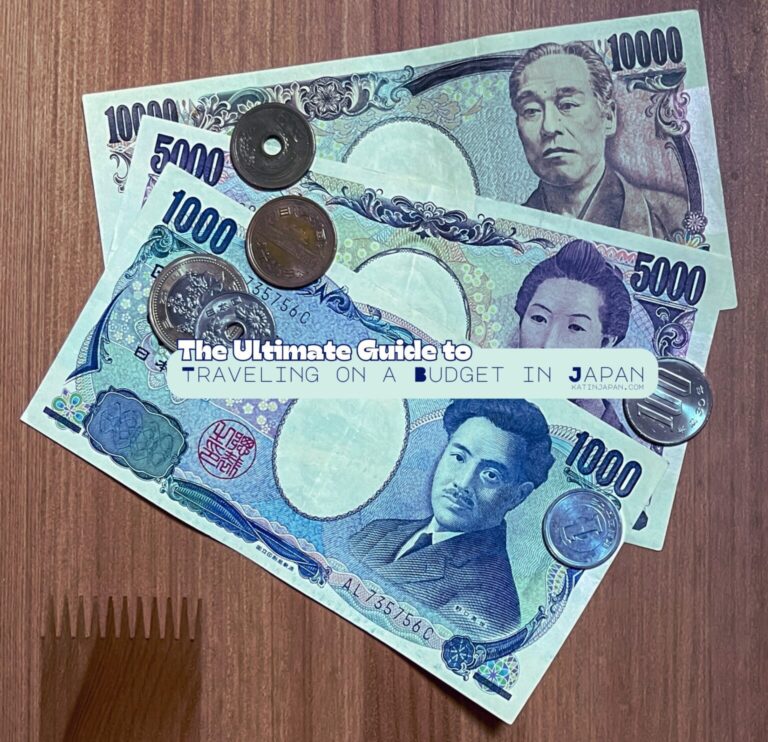
- Keep some cash for smaller restaurants and market stalls.
- Check whether reservations are required for special meals.
- Do not overbook dining across consecutive nights.
- Use department-store food halls or convenience stores when travel days disrupt meal times.
- Respect queues, seating rules and any photography restrictions.
If food is a major reason for choosing a neighborhood, compare general Japan accommodation options for your dates, then verify the destination and neighborhood before booking.
For more destination planning, explore the Japan Food & Culture guide and Japan Destinations.
Mobile data makes restaurant maps and last-minute searches easier. Check Japan eSIM options with Saily.
Affiliate disclosure: Japan Travel may earn a commission if you book through selected links, at no extra cost to you.