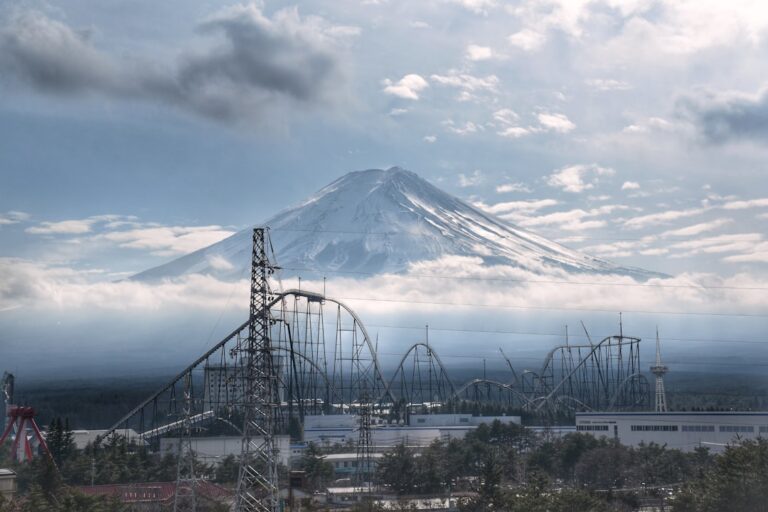
There is no single best month for every Japan trip. Spring is famous for cherry blossoms, autumn is loved for comfortable weather and colorful leaves, summer brings festivals and mountain trips, and winter can be excellent for snow, hot springs and fewer crowds.
Instead of choosing a season because it looks good in photos, choose it based on what you want to do. Weather, crowds, accommodation prices and daylight can all change the experience.
Spring: beautiful and popular
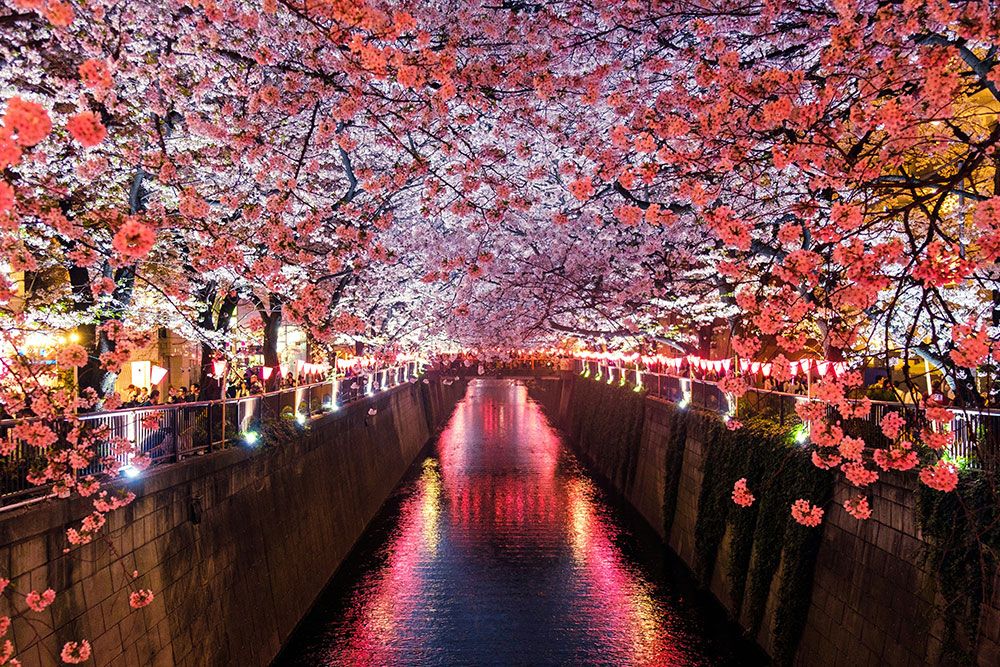
Spring is one of the most popular periods for international visitors, especially around cherry-blossom season. It is excellent for gardens, mild sightseeing weather and seasonal photography, but demand and crowd levels can rise sharply.
If blossoms are a major priority, keep some flexibility because bloom timing varies by location and weather.
Summer: festivals, greenery and longer days
Summer can be hot and humid in many cities, but festivals, fireworks, mountain areas and regional events can make it rewarding. For city sightseeing, start early and use indoor attractions during the hottest part of the afternoon.
Autumn: one of the easiest seasons for sightseeing
Autumn is popular for comfortable temperatures, seasonal foliage and pleasant walking conditions. Peak foliage areas can become crowded, and color timing varies by region, so your route matters.
Winter: fewer crowds and a different side of Japan
Winter can be a smart choice if you do not mind colder weather. Urban sightseeing can be calmer, while snow destinations, skiing and onsen offer experiences that are difficult to reproduce in other seasons. The tradeoff is shorter daylight and colder conditions.
So when should first-time visitors go?
If your priority is comfortable sightseeing and you do not have a specific seasonal event in mind, spring and autumn are easy choices. If you want a different seasonal experience and do not mind colder or hotter weather, winter or summer can work very well.
How crowds affect your itinerary
Crowds affect more than atmosphere. They change queue times, how early you need to arrive at famous attractions and how difficult it can be to find accommodation in convenient neighborhoods. During popular periods, put high-priority sights early in the day and keep less time-sensitive activities flexible.
What about travel costs?
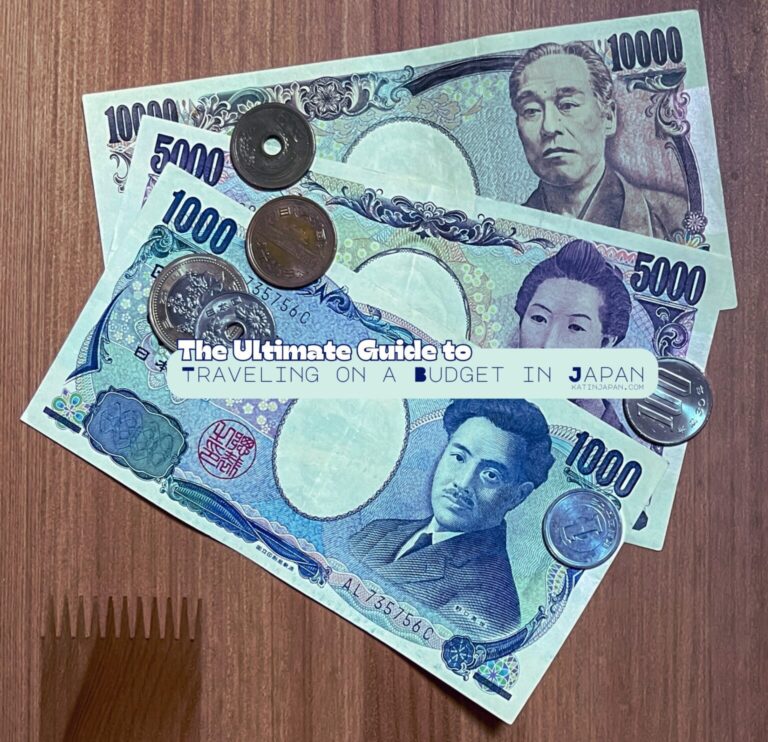
Prices vary with demand, destination and accommodation type. Your biggest savings can come from choosing accommodation carefully and avoiding peak-demand dates rather than simply choosing a season.
Compare general Japan accommodation options for the dates you are considering, then confirm the property’s actual destination and neighborhood before booking.
For broader spending guidance, see the Japan Travel Budget Guide.
Choose your season based on your trip
- Write down the three experiences you most want from Japan.
- Check which season best supports those experiences.
- Compare expected crowds and accommodation demand.
- Build a route that avoids unnecessary backtracking.
- Leave flexibility for weather and seasonal conditions.
Mobile data can make weather, maps and transport changes easier to manage. Check Japan eSIM options with Saily before the trip.
Affiliate disclosure: Japan Travel may earn a commission if you book through selected links, at no extra cost to you.