Shopping in Japan is much more interesting when you go beyond major malls and treat shopping districts as part of the travel experience. Traditional shotengai, markets, specialty neighborhoods and small local stores can reveal as much about a city as another famous attraction.
Shotengai: neighborhood shopping streets
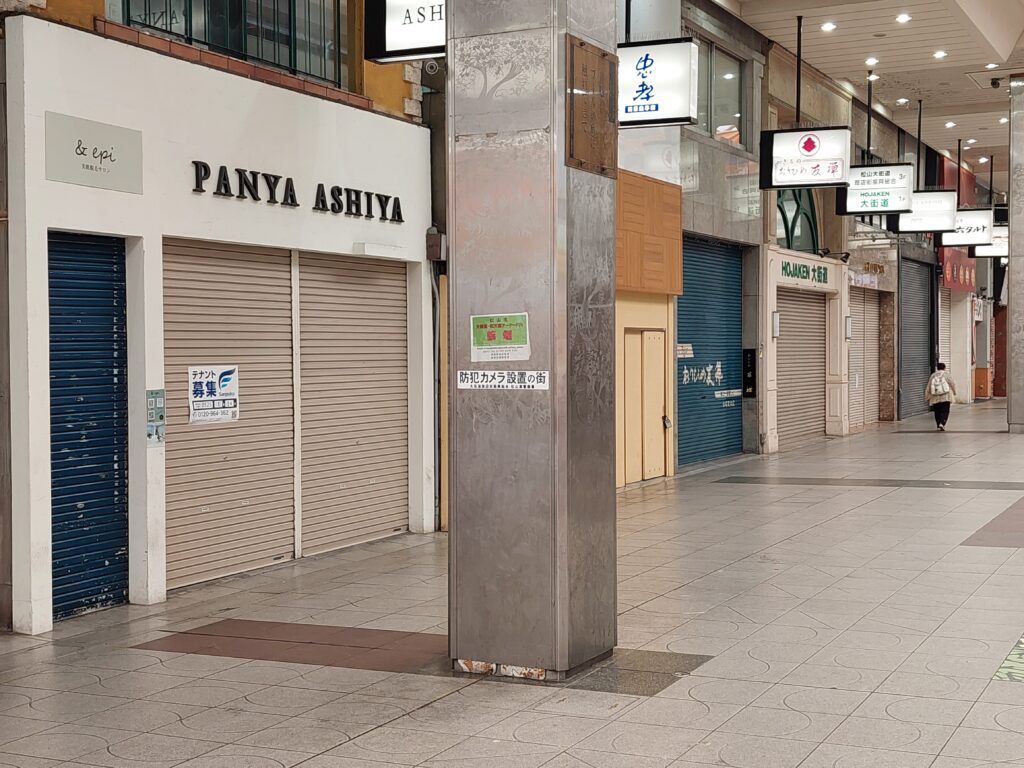
Covered and open-air shopping streets are useful when you want everyday food, household goods, small restaurants and local atmosphere in one walk. They work best when they are already near your sightseeing route rather than requiring a long cross-city trip.
Markets and food-focused streets
Markets are especially useful for edible souvenirs and casual tasting. Go earlier in the day when you want the widest choice, and remember that some vendors still prefer cash.
Specialty districts
Japan’s strongest shopping experiences often concentrate a particular interest into one neighborhood: electronics, anime and collectibles, kitchenware, vintage clothing, crafts or traditional goods. If you have a specific hobby, one focused district can be more rewarding than several general shopping centers.
Department-store basements
Depachika food halls are not exactly ‘beyond the malls,’ but they are distinctively Japanese and extremely efficient for travelers. They are useful for sweets, prepared food, seasonal gifts and beautifully packaged souvenirs when time is limited.
How to fit shopping into an itinerary
Combine shopping with a neighborhood you already plan to visit. For example, add souvenir shopping after a temple area, food shopping near a market visit, or hobby shopping during a Tokyo district day. Avoid dedicating half a day to commuting just for a store unless the purchase is genuinely important.
Practical shopping tips
- Bring a reusable bag or small foldable tote.
- Keep some cash for smaller businesses.
- Check opening days and hours for independent shops.
- Do not assume tax-free service is available everywhere; check the current eligibility and store procedure.
- Leave luggage space for purchases before the final days of the trip.
Reliable mobile data helps with store hours, maps and translating product information. Check Japan eSIM options with Saily.
If shopping is a major part of your route, choose accommodation that keeps you close to the neighborhoods you will actually use. Compare general Japan accommodation options for your dates, then verify the destination, neighborhood and station access before booking.
Affiliate disclosure: Japan Travel may earn a commission if you book through selected links, at no extra cost to you.