Choosing where to stay in Tokyo is one of the decisions that changes the feel of an entire first trip. The best base is not simply the most famous neighborhood: it depends on how late you stay out, how often you plan day trips, how much station complexity bothers you, and whether you value atmosphere or easy transfers.
Quick answer: which Tokyo area fits you?
Shinjuku: best all-rounder for first-time visitors who want nightlife, shopping and strong rail access. Shibuya: best for younger travelers who want energy, fashion and evenings out. Tokyo Station/Marunouchi: best for Shinkansen connections and polished convenience. Asakusa: best for traditional atmosphere and a calmer evening base. Ueno: best for value, museums and practical access toward Narita.
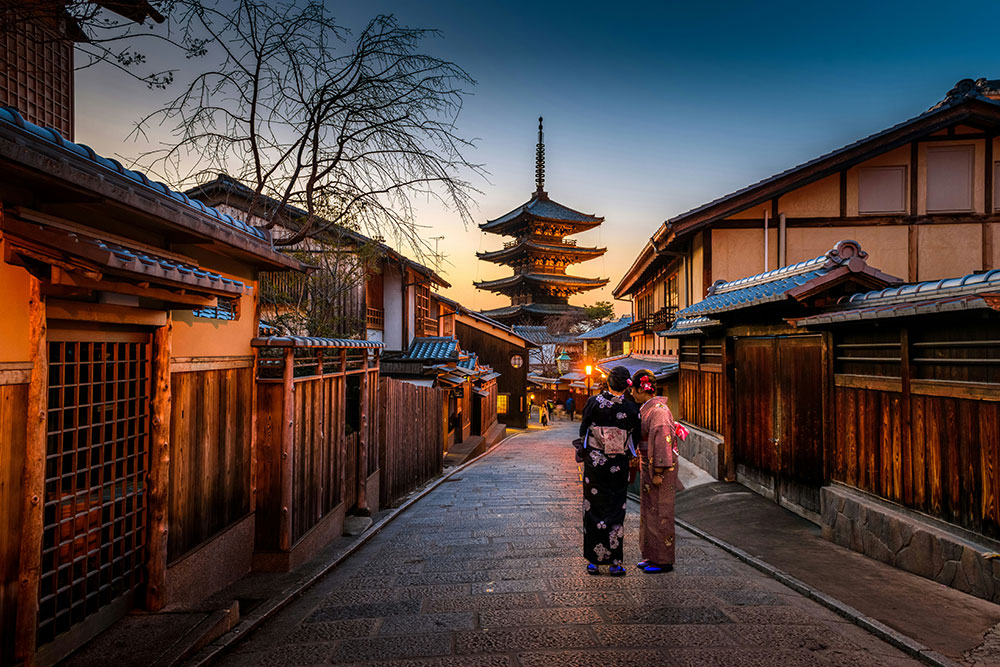
Shinjuku: the easiest all-round choice
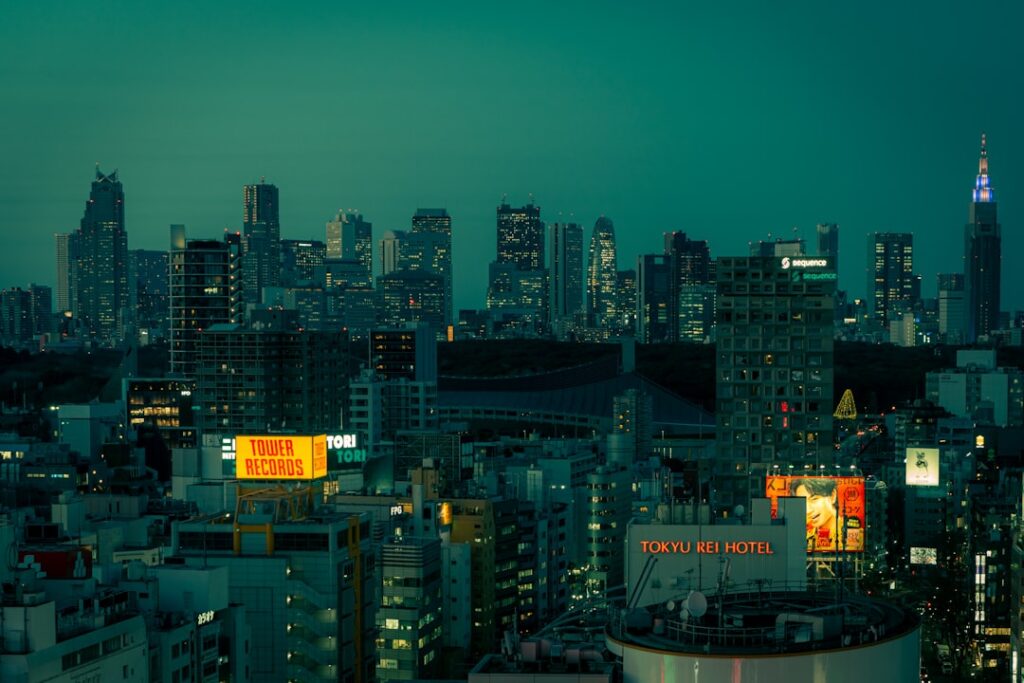
Choose Shinjuku if your itinerary mixes western Tokyo, nightlife and day trips. The station is enormous, which is both the advantage and the tradeoff: you get exceptional connections, but first-timers should allow extra walking time and learn which exit serves their hotel. It suits travelers who prefer having food, shopping and entertainment available late.
Shibuya: choose energy over calm
Shibuya works best when the neighborhood itself is part of the trip. It puts you close to Harajuku, Omotesando and western Tokyo, and it is excellent for travelers who expect to return to the hotel late. The tradeoff is crowds and a more stimulating environment; travelers who want quiet mornings may prefer Asakusa or Ueno.
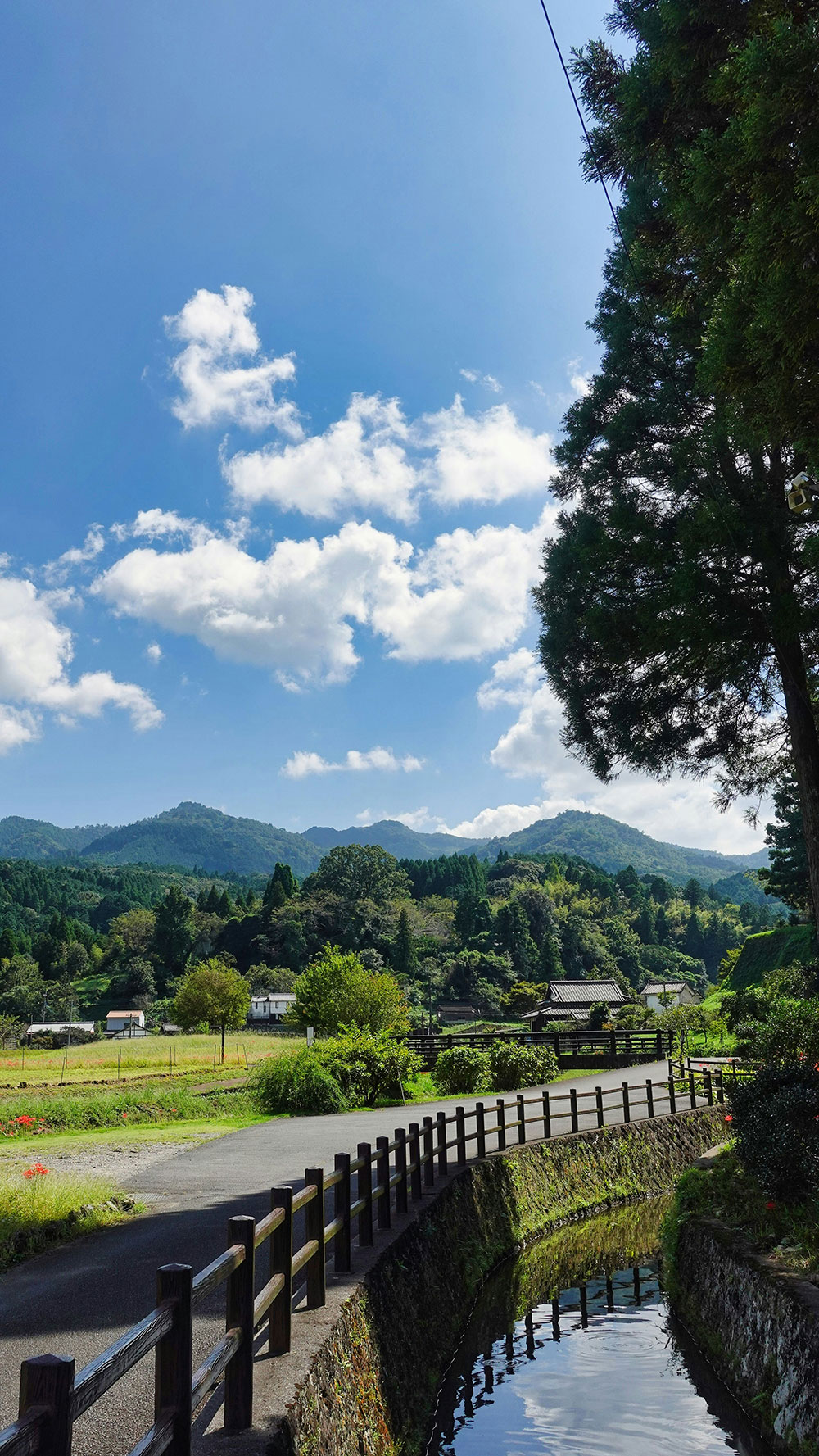
Tokyo Station and Marunouchi: pay for convenience
This is the practical winner for travelers taking several Shinkansen day trips or continuing quickly to Kyoto, Osaka or elsewhere. The area feels more businesslike at night than Shinjuku or Shibuya, but the transport advantage is real. It is especially useful for short Tokyo stays where reducing transfer friction matters more than nightlife.
Asakusa: traditional Tokyo and slower evenings
Asakusa is a strong first-trip base for travelers who want Sensoji, older streets and a more relaxed atmosphere after dark. Sensoji itself is free to enter and the district remains one of Tokyo’s classic sightseeing areas. The compromise is that journeys to Shinjuku and Shibuya take longer than from a west-side base.
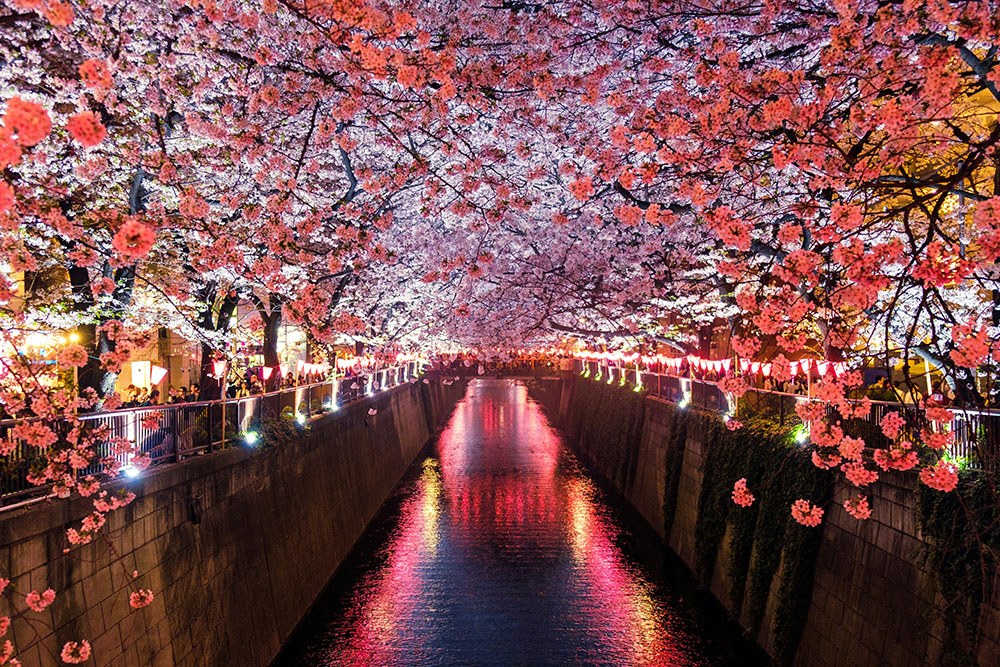
Ueno: practical value and museums
Ueno is often the best compromise for budget-conscious first-timers. You have Ueno Park, major museums, Ameyoko and useful rail connections. It is less polished than Marunouchi and less fashionable than Shibuya, but it is easy to understand and particularly practical for travelers using Narita Airport.
How to decide in 30 seconds
Pick Shinjuku if you are unsure and want the broadest mix. Pick Shibuya for nightlife and trend-focused travel. Pick Tokyo Station for Shinkansen-heavy itineraries. Pick Asakusa for traditional atmosphere. Pick Ueno when value and airport practicality matter most. For families with young children, prioritize a hotel within a short, simple walk of the station rather than chasing the most famous neighborhood.
A September 2026 planning note
Japan has a rare five-day Silver Week holiday period from September 19–23, 2026. Domestic travel becomes much busier during major holiday periods, so travelers visiting around those dates should secure accommodation and intercity transport earlier than usual.
Useful booking tools
Affiliate disclosure: We may earn a commission at no extra cost to you if you book through these links.
Compare flights to Japan with Aviasales.
Store luggage between checkout and departure with Radical Storage.
Stay connected in Japan with a Saily eSIM.
Compare intercity transport with Bookaway.
Bottom line
For most first-time visitors, Shinjuku is the safest default—but it is not automatically the best. Your hotel should reduce friction in the itinerary you actually plan to follow. A quieter Asakusa stay or a transport-first Tokyo Station base can save more time and stress than choosing the neighborhood with the most famous name.