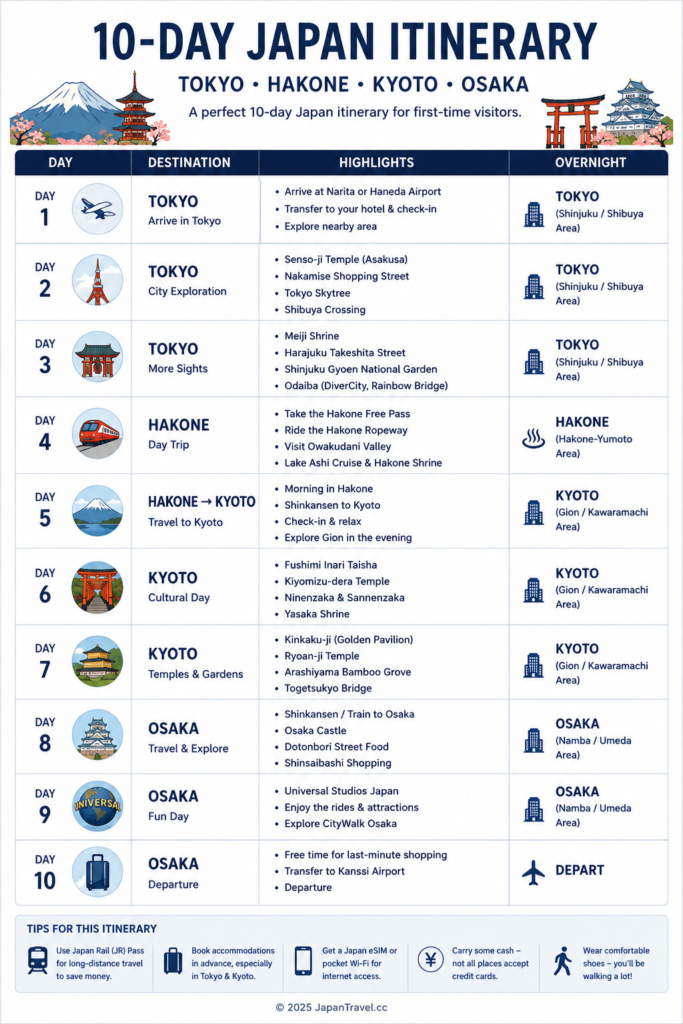
Ten days gives you enough time to experience Japan’s major highlights without changing hotels every night. This route focuses on Tokyo for modern Japan, Hakone for scenery and onsen culture, Kyoto for history and Osaka for food and energy.
The itinerary deliberately avoids trying to add too many distant day trips. Fewer hotel changes mean more time for actual sightseeing, meals and spontaneous discoveries.
10-day route at a glance
- Days 1–3: Tokyo
- Day 4: Hakone
- Days 5–7: Kyoto
- Days 8–10: Osaka
Days 1–3: Tokyo
Use the first day to settle in and explore the neighborhood around your hotel. On Day 2, pair Meiji Jingu and Harajuku with Shibuya, then continue to Shinjuku in the evening. Keep Day 3 flexible for traditional Tokyo, shopping, food, anime and pop culture, museums or modern attractions.
Group stops by area so you spend less time underground and more time exploring.
Day 4: Hakone
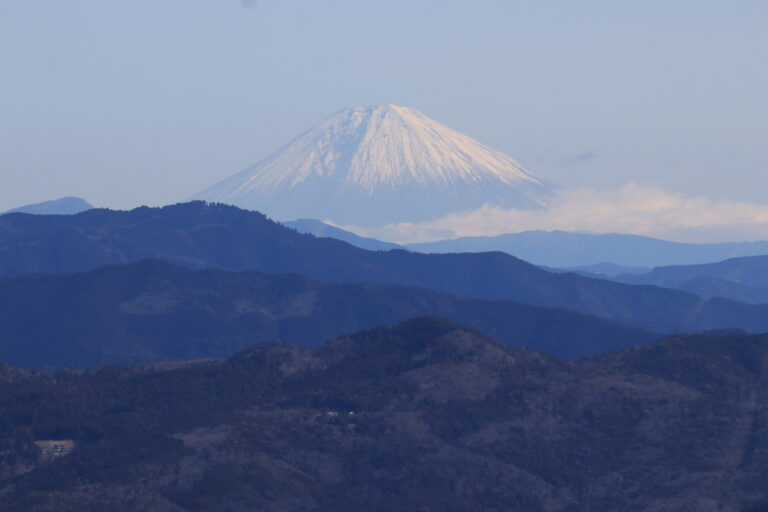
Hakone adds a completely different landscape after several city days. Build your route around the weather: Lake Ashi and Mount Fuji views are excellent when skies are clear, while museums and an onsen experience are useful alternatives when visibility is poor.
Days 5–7: Kyoto
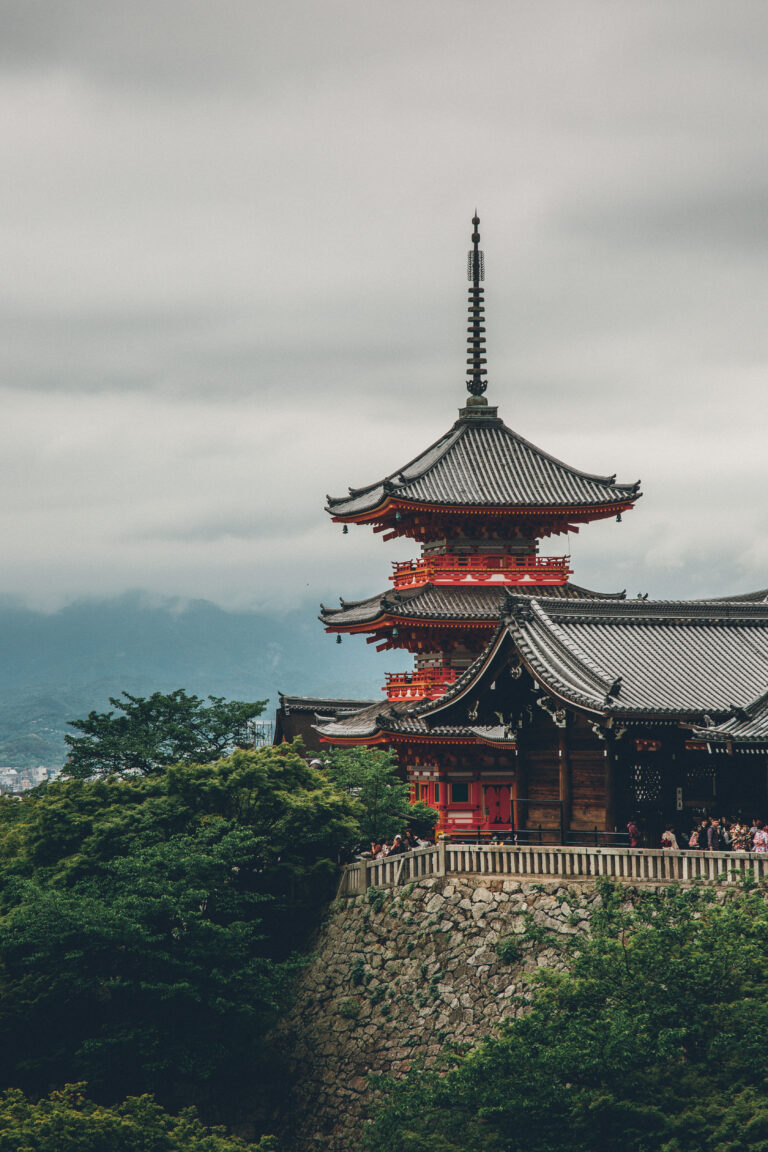
Continue to Kyoto and settle into one area at a time. Start early at Fushimi Inari, explore Kiyomizu-dera and Higashiyama, and use another day for Arashiyama. Evenings are ideal for Gion, Pontocho and central Kyoto dining.
Kyoto is more enjoyable when you resist the temptation to see every temple. Pick a few highlights each day and leave room for streets, cafés, gardens and local restaurants.
Days 8–10: Osaka
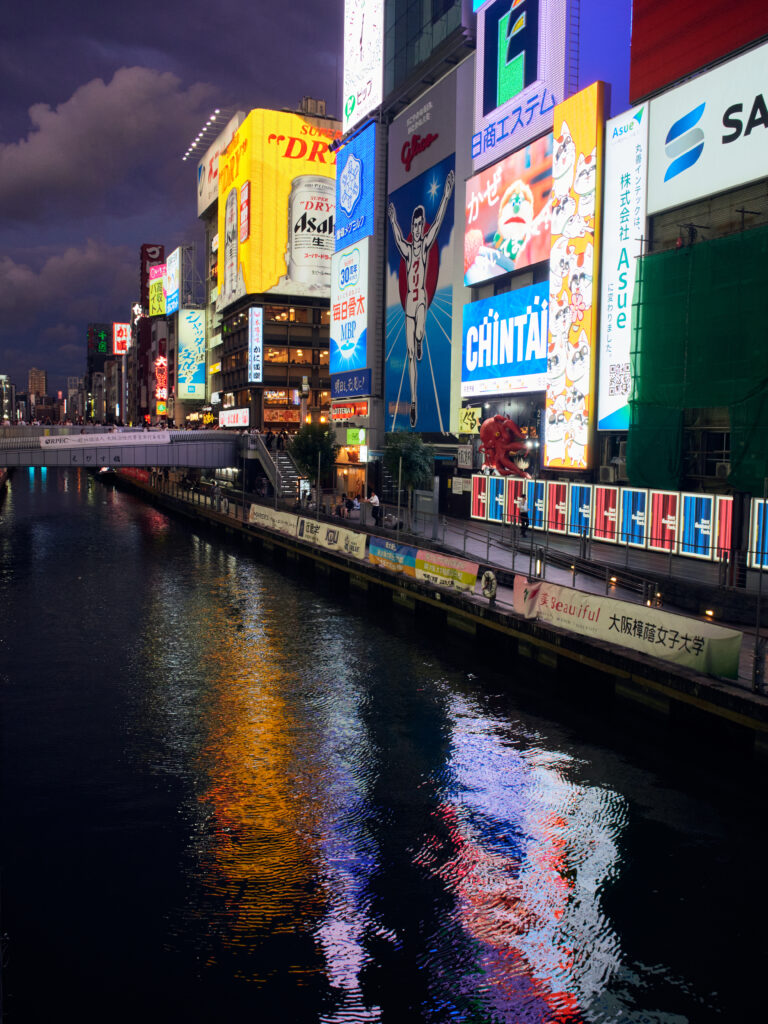
Osaka is a natural final stop because it is easy to reach from Kyoto and works well for food and shopping. Explore Namba and Dotonbori first, then choose between Osaka Castle, Umeda, markets and neighborhood food spots.
Where to stay
For Tokyo, prioritize a hotel near a rail or subway station. In Hakone, decide whether you want a slower ryokan or onsen stay. Kyoto Station and central Kyoto are both practical bases, while Namba is an easy Osaka choice.
Compare general Japan accommodation options for your travel dates, then verify the city, neighborhood and station access of each property before booking.
What to book ahead
Hotels and flights should be booked before the detailed daily schedule. Reserve timed attractions or special dining only after confirming your route. Buy or reserve long-distance train tickets around the actual travel dates, while keeping ordinary sightseeing flexible so weather does not ruin the plan.
Should you buy a JR Pass?
A JR Pass can be convenient for itineraries with several long-distance JR journeys, but it is not automatically the cheapest option. Compare the pass price with the individual fares for your actual route before buying.
Why ten days changes the trip
Ten days is a much better fit for a first Tokyo–Kansai trip because you can include a contrasting stop such as Hakone without turning every day into a transfer day. If you cut this to seven days, Hakone is the first stop to reconsider; if you have two weeks, add Nara, Hiroshima or another regional stay instead of simply stretching the same city days.
For route planning, compare transport options with Bookaway where relevant. If your itinerary extends into rural areas where driving can help, compare rental-car options with DiscoverCars before deciding.
Mobile data is particularly useful on a multi-city itinerary. Check Japan eSIM options with Saily before departure.
Affiliate disclosure: Japan Travel may earn a commission if you book through selected links, at no extra cost to you.